Few kitchen debates stir as a great deal hobby as the option among a cast iron wok and its carbon steel counterpart. For all people who has hovered over a searing-sizzling pan, spatula in hand, chasing that elusive breath of the wok - wok hei - the properly software can make or ruin the ride. I’ve cooked 1000's of stir-fries in abode kitchens and bustling restaurant traces, and the question comes up over and over again: solid iron or carbon metallic?
Let’s dig into what easily things at the stove - now not just chemistry or marketing, however the lived realities of seasoning, warmness administration, sturdiness, flavor, and the texture for your fingers.
The Heart of a Stir-Fry: What Makes a Wok Special?
Before comparing parts, it’s well worth pausing to give thought what a wok is designed to do. Unlike a Western skillet, a wok has a circular backside (once in a while flat-bottomed for Western stoves), tall sloping sides, and a fairly thin go-segment. This shape isn’t simply custom - it helps for immediate tossing of cuisine, top warmness at the base, mushy warm along the partitions, and efficient action throughout the time of cooking.
A appropriate stir-fry calls for 3 issues: severe warmth retention, quick temperature adjustments while foods are added, and a surface that encourages caramelization with no sticking. The textile of your wok shapes all 3.
Cast Iron Woks: Weighty Traditions
Cast iron has an well-nigh mythic repute between cooks. In China’s north, in which gasoline became historically less considerable and sluggish-cooked stews extra generic, forged iron woks turned a staple. These aren't the thick-walled Western skillets you uncover at antique malls. Traditional Chinese solid iron woks in the main have thinner partitions (typically as low as 2 millimeters), making them lighter than their Western cousins however still lots heavier than carbon steel.
When you go with up a cast iron wok, you notice two things abruptly: heft and presence. A 14-inch Chinese-vogue cast iron wok may possibly weigh four to six pounds, even as some Western-made editions tip past 8 pounds. This mass provides solid iron its legendary warmth retention and evenness.
But that equal heft could make tossing nutrition demanding for lots of chefs. If you've gotten wrist themes or honestly opt to cook with one hand at the spatula instead of two fingers on a heavy pan, this is not very a trivial obstacle.
Seasoning Cast Iron
Seasoning presents cast iron its nonstick surface and exceptional patina. With every single use (and specially with high-heat stir-frying), oil polymerizes onto the steel, building up a slick layer that protects opposed to rust and eases https://privatebin.net/?7c3adab33b2c1b9b#EmVbVNqMqPWAs3s1MdBef76TdJobAD4jUhMHbJY7rLEt cuisine launch. In my event, true pro Chinese-vogue cast iron woks improve a deep bronze-black sheen after a dozen or so makes use of.
Western-taste thick forged iron may perhaps take longer to advance this seasoning by means of its rougher surface texture out of the field. Some manufacturers now pre-season their pans, but traditionalists nevertheless swear by way of their own multi-step seasoning rituals - burning off manufacturing unit coatings, utilising thin coats of flaxseed or vegetable oil, then baking or heating over flame.
Heat Management
Cast iron excels at protecting warmness once it’s scorching. This is equally a blessing and a curse for stir-frying. On one hand, it skill your wok received’t cool off dramatically if you happen to add cold constituents - an principal trait for searing meats or greens. On the alternative hand, it’s gradual to reply to tweaks in burner output. If you need to drop from searing to simmering in seconds, forged iron gained’t oblige; it lags in the back of your instructions.
In genuine-global terms: once you’re cooking widespread batches or want to be certain that even browning throughout each chew, forged iron shines. But if you love agility - flipping from blistering warmth to mild sauce reduction - it would suppose gradual.
Durability and Maintenance
A correctly maintained cast iron wok can closing generations. I’ve noticed century-antique pans in rural Chinese kitchens still pumping out fried rice with flair. But forget about breeds rust directly. After washing (on no account with cleaning soap), regularly dry fully over warmness and rub in a thin sheen of oil. The greatest danger is shedding it: at the same time as not easy in regular use, cast iron is brittle when compared to metal and will crack if struck challenging or dropped onto stone flooring.
Carbon Steel Woks: The Pro’s Choice
Walk into close to any Chinese restaurant kitchen - from Beijing food stalls to San Francisco’s Chinatown - and most woks could be carbon metal. There’s respectable explanation why: carbon metal delivers a really perfect balance of pace, responsiveness, weight, affordability, and flavor improvement.
A wide-spread 14-inch carbon metal wok weighs approximately 2 to three pounds - frequently less. The fabric is resilient yet thin satisfactory to heat immediately and reply out of the blue to changes in flame intensity.
The Ritual of Seasoning
If there’s a ceremony of passage for wok homeowners, it’s seasoning a uncooked carbon metal pan for the 1st time. Most arrive with a blue-gray conclude from manufacturing oils or anti-rust coatings. This wants to be scrubbed off permanently earlier than use - commonly with warm water and a scouring pad.
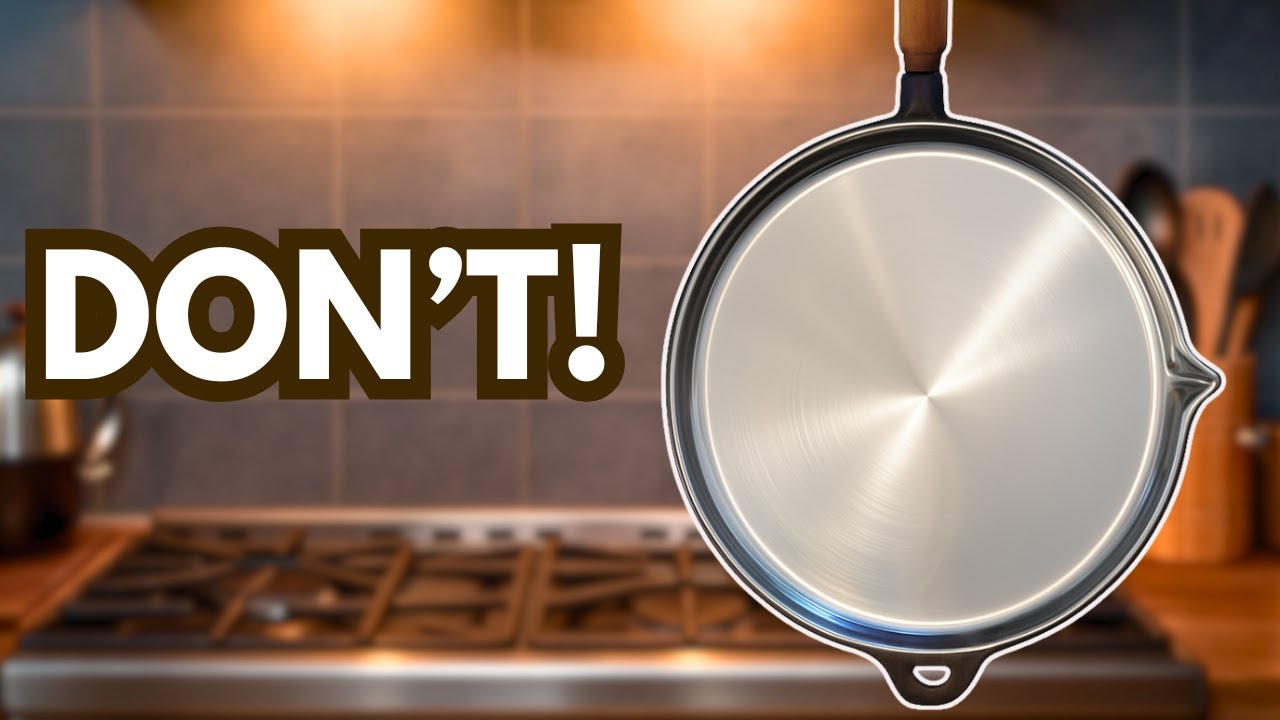
Once bare metal is exposed, you heat the wok unless it smokes, then rub in skinny layers of top-smoke-aspect oil time and again except a deep golden-brown patina emerges. The wok darkens through the years with use; after months or years of customary stir-frying, it turns just about black.
Unlike Teflon-coated pans, this common seasoning improves as you cook - surprisingly with fatty ingredients like pork abdominal or fried eggs.
Heat Responsiveness
Speed is where carbon steel shines brightest. The thin steel heats up quickly - frequently in underneath a minute over a top-powered burner - and cools just about immediately whilst taken off the flame. For domicile chefs via accepted fuel stages (more commonly 7,000 - 18,000 BTU), this agility approach one could push warm not easy for searing, then tame it down for saucing without burning your aromatics.
It additionally capacity less hazard of overcooking subtle ingredients like shrimp or leafy greens. If your intention is crisp-delicate greens that shop their shade and snap, carbon metal provides unrivaled manage.
Durability in Everyday Life
Carbon steel is much less brittle than forged iron; it might probably bend somewhat underneath tension however not often cracks or chips unless abused. It will rust if left moist or kept in humid environments devoid of oiling after cleaning. Still, such a lot house cooks find preservation more straightforward as it doesn’t demand as lots oiling as traditional solid iron.
The important chance is warping if heated too aggressively whilst empty - whatever to watch out for on strong burners.
Wok Hei: Chasing the Elusive Flavor
No discussion of woks might be complete devoid of addressing wok hei - literally “the breath of the wok.” This elusive flavor comes from intense searing at high warmness, micro-charring of oils and aromatics, immediate vaporization of juices, and the refined metallic tang of professional steel.
Both resources can produce wok hei beneath fantastic stipulations, yet there are differences value noting.
Carbon steel’s responsiveness makes it more convenient to succeed in these fleeting moments whilst warm peaks just perfect for Maillard reactions without burning. Professional cooks wielding highly effective burners can toss components using hearth-laced air for seconds at a time - a specific thing made purposeful by gentle carbon metallic woks.
Cast iron can acquire equivalent consequences if preheated wholly and used over powerful warmness sources. However, its slower responsiveness capability timing is trickier; there’s much less margin for blunders between the best option sear and scorched foodstuff.

Practical Considerations: What Fits Your Kitchen?
Stir-fry mastery isn’t nearly physics; it’s approximately matching accessories to atmosphere. Here are points I’ve considered rely most in dwelling kitchens:
- Burner strength: Most home stoves max out smartly lower than reliable wok burners (which may blast out over a hundred,000 BTU). On reasonable burners, thinner carbon metal heats up immediate enough for correct searing; thick forged iron would battle to attain peak temperatures. Stove form: Round-bottomed woks work most effective on gasoline stoves with wok rings; flat-bottomed alternate options are superior for electric powered or induction stages. Cooking vogue: If you adore tossing delicacies theatrically or biking by means of multiple dishes in short succession, carbon metallic’s lightness wins out. For batch cooking or deep-frying in a single vessel, forged iron retains heat superbly. Maintenance habits: Forget to dry your wok after washing? Carbon metallic will forgive occasional lapses extra surely than solid iron.
The Feel in Your Hands
No spec sheet can trap how those pans believe when cooking dinner after a protracted day. After years at the back of the two varieties of woks, I locate carbon metallic basically disappears in use - it becomes an extension of your wrist as you toss fried rice or slide vegetables up the perimeters for smooth steaming.
Cast iron calls for greater planned motions. Its inertia rewards patience: searing flippantly dispensed proteins or slowly crisping tofu cubes with out regular circulation.

Some domicile chefs love the soundness of cast iron’s weight; others curse it on every occasion they are trying to boost it off the range with one hand full of warm oil.
Edge Cases: When Cast Iron Wins
While maximum professional kitchens default to carbon steel for velocity and management, there are situations where solid iron shines:
- Deep-frying: Its thermal mass keeps oil sizzling even if adding chilly foods. Stewing: For dishes like braised beef belly (hong shao rou) or pink-cooked red meat shank, solid iron’s evenness fosters slow-simmered tenderness. Legacy cookware: Many households in northern China go down thin-walled cast iron woks that are lighter than modern Western variants however continue your complete benefits.
If your cooking leans towards these kinds or you desire one wok to serve as both stir-fry vessel and Dutch oven substitute, forged iron may possibly make greater experience.
When Carbon Steel Surpasses
For natural stir-frying - imagine brief vegetable tosses, fried noodles, or kung pao bird - carbon metal in simple terms outpaces everything else for homestead chefs.
Its affordability is a further draw: first-rate carbon metallic woks from legit makers generally price between $30 to $60 new (as of late 2023), versus $80-plus for similar forged iron models.
A Quick Comparison
Here’s a distilled area-by using-part view:
| Feature | Cast Iron Wok | Carbon Steel Wok | |-----------------------|------------------------|-------------------------| | Weight | Heavier (4-8 lbs) | Lighter (2-three lbs) | | Heat Retention | Excellent | Good | | Heat Responsiveness | Slow | Fast | | Seasoning | Builds slowly | Builds shortly | | Ease of Tossing | Challenging | Easy | | Rust Resistance | Needs vigilance | Fairly forgiving | | Price | Usually larger | Usually cut back | | Durability | Brittle if dropped | Tougher lower than rigidity | | Best For | Deep-frying, braising | Stir-frying |
How to Season Your Wok (Step-by means of-Step)
Proper seasoning is needed for each resources yet somewhat less complicated with carbon steel as a result of its clean conclude. Here’s how I information new wok homeowners:
Scrub off any manufacturing unit coating simply by sizzling water and a scouring pad. Dry adequately over medium heat. Add a tablespoon of prime-smoke-factor oil (grapeseed or peanut work effectively). Swirl oil across all surfaces; wipe away excess. Heat except smoking; repeat oiling if obligatory till pan darkens.Afterwards, maintain because of your wok sometimes - both meal improves its floor.
Real-World Anecdotes
A family member of mine inherited her grandmother’s thin-walled solid iron wok from northern China; it’s been in use for over 60 years and has outlasted 3 stoves. The flavor it imparts to egg fried rice is unmistakable - anything about years of developed-up seasoning creates layers no new pan can replicate.
On any other hand, in my own kitchen lined with gas burners that barely push 10,000 BTU per ring, my trusty carbon metal wok handles weeknight stir-fries with aplomb. It heats swift enough that I can whip up ginger pork or highly spiced mapo tofu with no preheating for a while or tense approximately scorched edges.
Sometimes nostalgia wins out; different instances physics does.
The Case for Owning Both
If kitchen area allows for, nothing beats having each suggestions reachable. For short foods or cooking for one or two folks, carbon metallic reigns very best for agility and pace. When website hosting site visitors or deep-frying tempura for a crowd, that gigantic old forged iron wok earns its avert.
But such a lot domicile cooks will come to be attaining for one some distance greater by and large situated on their very own habits - so let your weeknight truth dictate your alternative.
Final Thoughts
The appropriate wok is the single that matches your range, suits your cooking form, and sounds like an ancient good friend after some shared ingredients. Cast iron brings heft, tradition, and unbeatable warm retention for sure dishes; carbon metallic delivers pace and keep an eye on for universal stir-fries.
If you’re nonetheless torn among solid iron wok vs carbon steel in any case this aspect, don’t overthink it: bounce with carbon metallic for its versatility and approachability. As your abilties grow - or while you to find yourself craving the ones gradual-braised flavors - there’s at all times room for one more wok down the road.
Happy stir-frying!