Stir-frying over a blue flame, the clang of a spatula, the sweet, smoky breath of wok hei - few kitchen reviews consider as alive as cooking with a wok. But sooner than that sizzle, a decision awaits: forged iron or carbon metal? Both promise searing warmth and nonstick dreams, however each and every brings its personal quirks, strengths, or even frustrations. If you’ve ever paused in a kitchen save, weighing one pan in each and every hand, you recognize this isn’t pretty much cookware. It’s approximately how you favor to cook, easy, and create.
The Anatomy of a Wok
Most other folks image the wok’s beneficiant bowl, yet concentrate on its bones. Traditional woks include rounded bottoms, designed for open flames and tossing foodstuff with flicks of the wrist. Flat-bottomed versions exist for Western stovetops. Handles remember too: looped “ears” for 2-exceeded handle or a long stick for tossing and stirring. Whatever the particulars, the fabric beneath shapes the entirety from preheating rituals to the style of your meals.
Carbon Steel: The Workhorse of Chinese Kitchens
Walk into any busy Chinese restaurant kitchen and watch the cooks pass at pace. Odds are their woks are carbon steel - thin, faded, darkened from years of oil and fire. I keep in mind my first carbon steel wok, sold from a cramped market stall in Guangzhou. The seller ran a document across its surface with a practiced flick to expose it became authentic metal. That pan taught me pace and patience in equivalent degree.
Carbon steel’s magic comes from https://augusthdtb410.tearosediner.net/stir-fry-perfection-cast-iron-wok-vs-carbon-steel its responsiveness. At two to a few millimeters thick, it heats up instant and cools down simply as shortly while you movement it off the burner. This enables you to handle a stir-fry with tiny modifications of warmth and motion. The material itself is uncoated, so meals can stick before everything - but with time and seasoning, the surface will become close to slick.
Seasoning is greater than a technical step; it’s a rite of passage. You warm oil inside the pan until wisps of smoke curl upward, then swirl it round, permit it cool, and repeat. Each consultation darkens the metal and builds up a patina that protects opposed to rust and enables hinder sticking. Over months or years, a smartly-seasoned carbon metal wok turns deep black, very nearly smooth, with streaks that inform reports.
One capture: carbon steel rusts conveniently if left rainy or scrubbed too laborious. After cooking, I speedily wipe my wok refreshing with warm water and a mushy brush - no cleaning soap - then dry it over heat before including a dab of oil for garage.
Cast Iron: Heft That Holds Heat
Cast iron woks are much less average in eating place kitchens yet have fierce advocates among home cooks. Their defining trait is mass - a few cast iron woks tip the scales at 8 kilos or extra. That weight brings balance on flat burners and enables carry stable warmness even when chilly components hit the pan.
Unlike their American skillet cousins, Chinese-form cast iron woks are almost always thinner and lighter than Western forged iron pans (though nevertheless heavier than carbon metal). In my personal kitchen, I use an ancient cast iron wok for sluggish-cooked braises or after I wish even browning on vast batches of fried rice. The method forged iron radiates tender warmness across its floor can make challenging dishes sense less rushed.
Seasoning solid iron follows the equal logic as carbon metallic: coat with oil, warm unless smoking evenly, repeat except the surface darkens to close black. Cast iron’s porous layout grabs onto oils greater tenaciously, growing an distinctly robust nonstick layer as soon as seasoned accurately.
But heft has its drawbacks. Tossing food is harder (some might say unattainable), so stir-frying method more spatula work and less wrist action. Preheating also takes longer; cast iron is sluggish to warm up however slow to lose warmness too.
Comparing Performance: Stir-Frying Under Pressure
The center of wok cooking lies in speed: prime warm, swift action, delicacies kept transferring over searing metal. Here’s in which ameliorations among cast iron and carbon metal screen themselves.
Heat Responsiveness: Carbon steel wins for natural agility. If you crank up the flame beneath an empty carbon steel wok, it’ll achieve stir-fry temperatures (above 400°F) in underneath a minute on maximum fuel stoves. Cast iron takes longer because of the its mass but holds that heat once it arrives.
Wok Hei: This elusive “breath of the wok” style relies on excessive warmness causing oils to vaporize and caramelize right away. Professional chefs prefer carbon metal for its ability to reach this peak fast and get well between batches.
Weight: Carbon metallic woks as a rule weigh 2-three kilos for a widely used 14-inch round-bottom form. Cast iron models is usually double or triple that weight. If your flavor entails much of tossing (suppose flipping veggies mid-air), weight things.
Nonstick Properties: Both components require care at the beginning. Once seasoned nicely, either can rival trendy nonstick pans for eggs or pancakes - though early on predict a few sticking as seasoning improves.
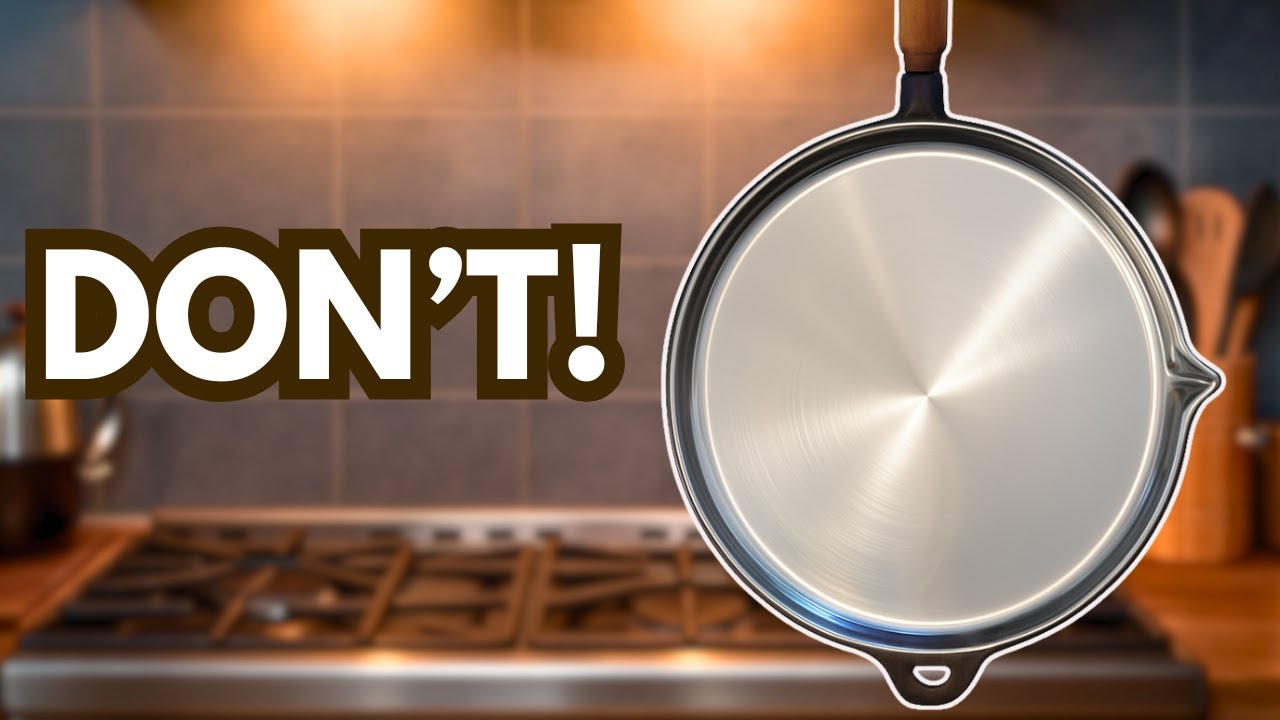
Cleaning: Neither likes dish cleaning soap or dishwashers; the two refreshing best suited with hot water and mild scrubbing. Cast iron is greater forgiving when you fail to remember to dry it after washing; carbon metallic will spot-rust if omitted even in short.
Choosing Between Cast Iron Wok vs Carbon Steel: Real-World Scenarios
Picking aspects isn’t nearly metallurgy; it’s about how you cook dinner and what your kitchen asks of you.
If your stove has weak burners or an electric coil instead of gas, a heavier solid iron wok could assist you get in the direction of suited searing temperatures considering its mass holds warm bigger whilst bloodless materials drop in.
If velocity subjects - say you’re seeking to bang out four dishes for spouse and children dinner in less than 30 minutes - carbon steel rewards quick fingers and swift heating.
For people that love the ritual of seasoning and don’t thoughts greater care after every single use, either material offer satisfaction through the years. If you prefer anything just about nonstick out of the box with minimum babysitting, neither may be proper; enameled or Teflon woks exist for those priorities but include their own compromises.
Myths That Won’t Die
Spend ten mins on net forums or in cookware retail outlets and also you’ll listen potent reviews masquerading as certainty:
- “Cast iron at all times gives bigger style.” Not inevitably - flavor comes more from system than pan subject matter. “Carbon metal is just too fragile.” If whatever, carbon metallic takes abuse smartly; dents are you can actually with thin versions however hardly have an affect on purpose. “You can solely use top warmness.” While high warm unlocks wok hei, either parts work at decrease temperatures too; simply don’t assume restaurant-trend searing on an induction stovetop.
I’ve viewed solid iron woks used exterior over timber fires for decades devoid of incident. Likewise I’ve watched carbon metallic pans survive dropped spoons, sticky caramel sauces, even an unintentional holiday thru the sand at a seashore cookout (somewhat additional scrubbing mounted that).
Seasoning: Art or Science?
If there’s one shared hindrance with both kinds of wok, it’s getting that nonstick layer just exact. I’ve seasoned dozens through the years - for myself or acquaintances - and every unmarried one behaved differently first and foremost.
Some facts I’ve picked up:
Always start off with a radical scrub to cast off manufacturing unit oil or wax (characteristically utilized for shipping). Use top-smoke-level oils like grapeseed or flaxseed for preliminary seasoning. Don’t rush - various skinny coats outfitted up over a couple of classes paintings more beneficial than one heavy program. Smoke is accepted (open home windows lend a hand), but burning oil seriously isn't. Cook fatty ingredients early on - bacon strips or beef belly are traditional possibilities to assist increase that preliminary layer.There’s no shame in stripping again seasoning and commencing over if issues get sticky or rusty. A remarkable wok rewards endurance more than perfectionism.
Day-to-Day Cooking: What Changes?
Living with each and every form of wok shifts your habits in diffused techniques.
A carbon steel wok suits seamlessly into immediate-paced routines. A frequent weeknight dinner at my position comes to preheating the pan until eventually water droplets dance throughout its floor (the “mercury ball” take a look at), then stir-frying veggies or noodles in mins flat. Cleanup is probably done previously the rice finishes steaming.
With forged iron, I plan foodstuff that profit from slower cooking or want extra browning: mapo tofu simmering lightly or fried rice that necessities each grain crisped flippantly. Its regular heat makes it fine for shallow frying or braising harder cuts of meat.
Storage differs too. A carbon steel wok prefers dry air; moisture breeds rust in a single day. Cast iron tolerates dampness enhanced but nevertheless likes a sheen of oil to continue its seasoning powerful.
Handles: Not Just an Afterthought
Traditional Cantonese woks include two small looped handles (reachable for carrying but complex to grip with oven mitts). Northern Chinese designs usually feature one long manage much like a skillet plus a helper take care of opposite.
Carbon metallic woks in most cases mimic those traditions heavily given that their low weight makes tossing lifelike in spite of one take care of.
Cast iron types now and again use Western-taste handles or better loops due to the fact that their weight calls for added assist. If you will have restrained grip capability or arthritis in your wrists (as my mother does), reflect onconsideration on take care of design conscientiously before shopping for.
Price Points: Budget vs Investment
A serviceable 14-inch carbon metal wok bills among $25 and $50 at Asian markets or on-line shops. Higher-cease fashions (hand-hammered or with premium handles) may well attain $100 or greater.
Cast iron woks span a similar quantity: good value versions from China or Taiwan beginning at $30-$50; artisanal or branded items from Western makers can hit $a hundred and fifty or extra.

Neither possibility calls for enormous outlay for established cooking. If whatever, cost kept on pans is additionally spent on brisker veggies or superior soy sauce.
The Environmental Angle
Both fabrics last decades with care; neither is predicated on disposable coatings or planned obsolescence. At finish of lifestyles (which may not come within your lifetime), the two may be recycled as scrap steel.
Seasoning oils remember more for indoor air high quality than for environmental impression consistent with se - flaxseed oil affords off much less smoke than animal fat all through seasoning but expenses extra consistent with ounce.
When Not to Choose Either
Some kitchens in reality don’t play fantastic with classic woks:
- Glass-ceramic or induction stovetops quite often can’t accommodate spherical-bottomed pans without adapters. If wrist capability or mobility is confined, even lightweight carbon steel might feel awkward when put next to a shallow nonstick skillet. For absolute ease of cleansing (or should you’re forbidden from riding oil in any respect), sleek nonstick pans provide fewest headaches.
That talked about, there’s most commonly a workaround: flat-bottomed woks for induction levels or pre-professional solutions that need less fussing early on.
A Side-by means of-Side Glance
Below is a short desk summarizing the main changes:
| Feature | Carbon Steel Wok | Cast Iron Wok | |--------------------|---------------------------|-----------------------| | Weight | 2-3 lbs (14") | five-8 lbs (14") | | Heating Speed | Very quick | Slower | | Heat Retention | Moderate | Excellent | | Tossability | Easy | Difficult | | Seasoning | Builds shortly | Becomes very resilient| | Rust Resistance | Needs vigilance | Slightly improved | | Cost | $25-$a hundred | $30-$a hundred and fifty | | Nonstick Potential | High (with care) | High (with care) |
So Which Should You Get?
There’s no unmarried reply to “Cast Iron Wok vs Carbon Steel.” Instead ask your self:
- Do I crave speed or steadiness? Am I attracted to lightweight agility or forged warmness? Does my cooking lean closer to fast stir-fries or slow braises? How a lot attempt am I keen to invest in seasoning and upkeep?
In my personal kitchen each see constant use depending on mood and meal. My maximum battered carbon metallic wok is over two decades outdated now; its base is as dark as coffee beans and nothing sticks any more. My cast iron wok handles gigantic gatherings once I want to shop fried rice hot devoid of burning.
Whichever route you prefer, the actual pleasure comes now not from the metal by myself however from what you are making with it. A wok will never be just a tool however an invite: to test, to flavor deeply charred greens or smoky noodles clean from your very own stove.
If nonstick desires drew you the following, realize this: either cast iron and carbon steel can furnish them - however handiest when you’ve professional your patience alongside your pan.