Woks have woven themselves into kitchens across continents, their curved silhouettes simply as probably to be determined in a homey Cantonese stir-fry as within the hands of a French chef tossing greens for a present day fusion dish. Yet for all this ubiquity, the query persists: which sort of wok stands the take a look at of time and gives you the ideal feel - solid iron or carbon metal? Ask 3 cooks and you’ll get as a minimum four reviews, each and every with passionate arguments rooted in lived revel in. Let’s dig deep into the factual-global business-offs of solid iron and carbon steel woks, surprisingly in relation to sturdiness and care.
The Lay of the Land: What Sets Cast Iron and Carbon Steel Apart
Walk by means of any cookware part and you’ll spot both cast iron and carbon metallic woks. At first look, they percentage similarities. Both are made out of iron-established alloys and equally call for seasoning for height functionality. Yet the distinctions run deeper than floor visual appeal or maybe weight.
Cast iron involves extra carbon than carbon steel, meaning it’s more brittle but additionally holds warmness longer. Most cast iron woks are thicker and heavier. In contrast, carbon steel is solid thin, pale, and moderately versatile. These actual houses don’t just have an effect on how they sense inside the hand - they form the whole lot from how you cook dinner to how you retain your wok year after 12 months.
Heat Performance: Speed, Control, and Searing
The coronary heart of wok cooking lies in the dance of heat. Stir-frying, in spite of everything, is about immediate, top-temperature cooking that produces the coveted “wok hei” - the slightly smoky, charred taste that marks incredible Asian cuisine.
Carbon metal woks reply to heat like a sporting activities car hugging the curves of a mountain street. Place one on a amazing burner and it heats up in beneath a minute. Adjust the flame, and also you’ll become aware of the alternate virtually all of a sudden. This quick responsiveness helps for actual handle, that is integral if you happen to’re juggling sensitive veggies, thinly sliced meats, or abruptly slicing sauces.
Cast iron woks, even so, are greater like a durable pickup truck. They take longer to achieve cooking temperature - normally a few mins depending on thickness and range potential. But once sizzling, solid iron holds onto heat with tenacity. This is also a blessing for dishes that gain from consistent, even warm temperature or whilst searing enormous items of meat.
The alternate-off appears to be like if you try to substitute temperatures instantly. If your garlic starts offevolved to brown too quickly in a forged iron wok, turning down the flame received’t cool matters off abruptly; the pan’s thermal inertia ability it remains scorching. Carbon metallic supplies swifter recovery and adaptation, which makes it more effective acceptable for vintage stir-frying techniques.
Seasoning: The Art and Science of Non-Stick
https://www.cookwarereviewhub.com/contact/Both solid iron and carbon metallic woks rely on seasoning for his or her herbal non-stick houses and rust resistance. Seasoning includes forming layers of polymerized oil - in truth cooked-on fats - that bonds with the steel floor over the years.
When you purchase a brand new carbon steel wok, it repeatedly arrives with a shielding coating that should be scrubbed off until now its first use. After an intensive cleansing, chefs broadly speaking warmness the wok until eventually it smokes flippantly, then rub it with high-smoke-element oil (grapeseed, canola, or flaxseed are not unusual picks). Repeating this manner builds up the signature black patina that will become slicker with every use.
Cast iron woks desire same remedy, regardless that they are going to arrive pre-pro. Still, maximum seasoned wok clients decide on to build up additional layers themselves, extraordinarily on naked solid iron surfaces. The job is slower via the steel’s porous texture yet lastly outcomes in a durable end.
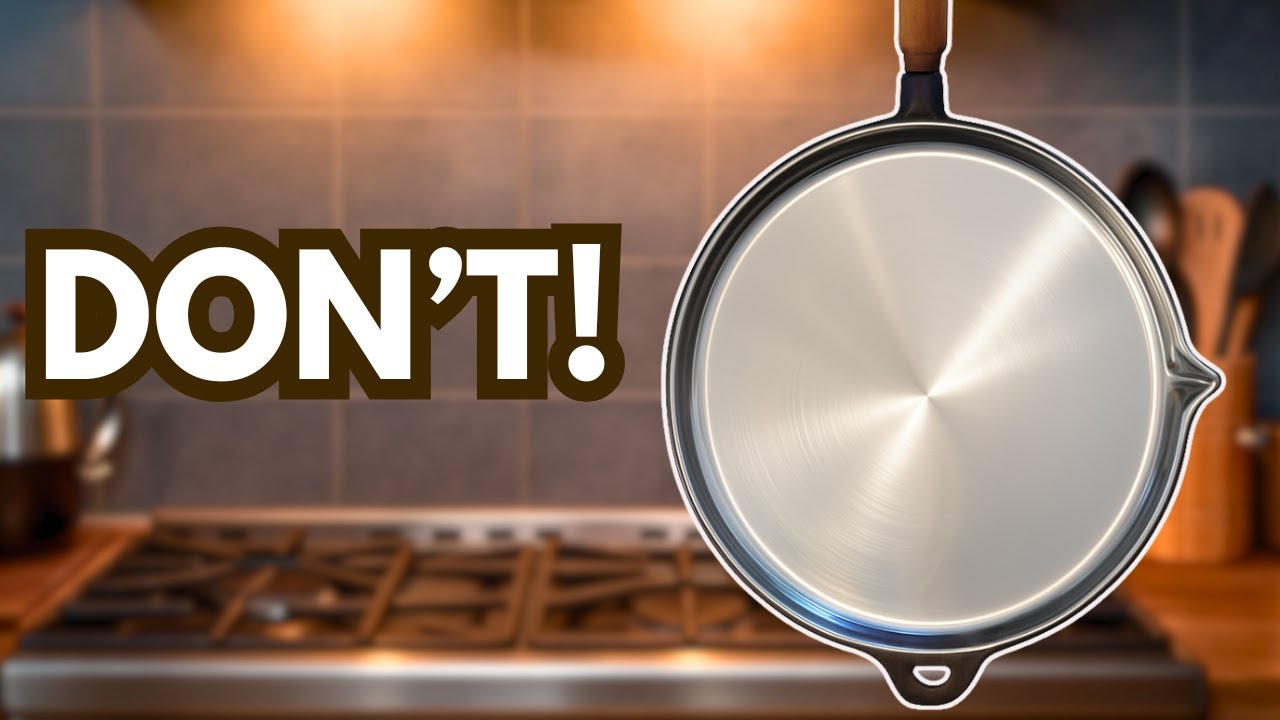
A pro wok is each a device and a badge of honor - the darkish, sleek indoors tells the story of infinite foodstuff and attentive care. The style reward are factual; pro woks impart subtle complexity to foodstuff that no manufacturing unit coating can suit.
Weight and Handling: Muscle Memory inside the Kitchen
Ask individual who chefs traditionally with each versions and the 1st factor they’ll mention is weight. A regular 14-inch cast iron wok can weigh at any place from 8 to 12 pounds empty, even though a carbon metal wok of the same length basically comes in at three to 5 kilos.
This distinction shapes how you operate the pan. With carbon metal, tossing components will become moment nature - the lightness invitations circulation and flair. Flip shrimp with a flick of the wrist or shake the wok over the flame; the pan rewards agility and trust.
Cast iron woks require a steadier hand and quite often equally fingers, exceedingly while full. Tossing delicacies is doable but a long way less fluid. Some chefs with limited wrist potential locate forged iron woks bulky for high-movement ways. On the turn part, their heft can provide steadiness - priceless in case you like to store the wok desk bound and stir parts via utensils on my own.
Durability: Built for Decades or Generations
Both solid iron and carbon metallic woks can out live their house owners if handled nicely, however their paths to longevity differ.
Cast iron, with its thick body and resistance to warping, shrugs off prime warmness and heavy use. I’ve observed century-vintage forged iron pans nonetheless frying chook in Southern kitchens, their surfaces just about glassy from generations of seasoning. In woks, this resilience interprets right into a vessel that’s unlikely to warp or dent, however dropping you'll spell catastrophe - even extraordinary forged iron is brittle and may crack if mishandled.
Carbon steel is robust in its personal way yet extra vulnerable to warping underneath serious warmth, mainly if it’s skinny and exposed to unexpected temperature adjustments (like rinsing a scorching wok below cold water). Dents are infrequent except the pan is dropped or struck forcefully. With attentive care - drying after both use, regularly occurring seasoning, avoiding prolonged acidic ingredients - carbon metallic woks with no trouble final many years.
What does this mean in practice? For so much domestic chefs, both forms can supply 20 years or greater of risk-free provider. In industrial kitchens, where methods are abused on daily basis and velocity trumps sentimentality, carbon metal woks stay the humble by reason of their blend of toughness and immediate handling.
Care and Maintenance in Real Life
Here’s where conception meets exercise and where very own conduct play a starring function.
Imagine a weeknight: you’ve just finished a highly spiced beef stir-fry and the youngsters are clamoring for noodles next. Do you've time and endurance for careful cleanup? Or do you need a wok that forgives shortcuts?
A well-seasoned carbon metallic wok cleans up with little more than hot water and a mushy brush or sponge. If bits stick, a little bit salt and oil scoured with a paper towel do the trick. You must dry it instant and rub on a skinny layer of oil to keep rusting. Neglect this step a few times and specks of orange rust may just look, yet these are comfortably scrubbed away if caught early.
Cast iron woks behave plenty the similar however require even stricter avoidance of moisture. Their thicker bodies can dangle water longer, making thorough drying essential. I’ve realized the arduous way that storing a damp cast iron wok - even for an hour - ends in power rust spots that take elbow grease and staying power to do away with.
Both kinds dislike the dishwasher and potent detergents; those strip away seasoning and invite rust. Acidic ingredients (like tomatoes or vinegar-heavy sauces) may want to be used sparingly until a deep seasoning has formed, given that acid eats away at the protecting layer.
Quick Care Reference
Here’s a checklist for caring for either sort of wok:
Wash straight away after use with scorching water and a comfortable brush. Dry totally over low heat (a minute or two at the stovetop works). Wipe with a skinny coat of oil. Store exposed in a dry place. Avoid extended cooking of acidic meals until eventually seasoning is neatly known.Miss a step now and then? Don’t agonize; either versions are forgiving while you seize points early.
Edge Cases: When Each Shines or Struggles
Real kitchens not often suit neat packing containers, so let’s examine a few eventualities the place one subject material outperforms the alternative.
If you've an induction cooktop, many carbon metallic woks will work properly in view that they’re magnetic and model a favorable flat-bottomed contact. Cast iron woks additionally purpose on induction however their thickness could make them sluggish to warmth and harder to maneuver.
For open air wok burners or excessive-BTU gasoline degrees, carbon steel stays king. Its resilience at top heat and light weight make it the default for street carriers and eating place cooks throughout Asia.
If you crave slow-cooked stews or braised dishes, cast iron rewards patience with stable, even warmth and unequalled depth of style. I in many instances use my forged iron wok for making red-braised pork abdominal; the finish is constantly glossy and prosperous.
On the alternative hand, if arthritis or confined grip strength is an concern, carbon metal’s lighter build opens up official wok cooking for individuals who could another way draw back from heavy cookware.
The “Wok Hei” Debate
No discussion of wok parts is total devoid of referring to wok hei - the elusive breath of the wok that comes from hot warmness and faster move.
Carbon steel, with its skinny partitions and quick warmness switch, excels right here. The most productive wok hei comes from roaring flames licking the perimeters of the pan as you toss noodles or vegetables with abandon.
Cast iron woks can reap something an identical however demand just a little extra patience and capacity, since the partitions don’t warmth up as effortlessly and the pan is more difficult to move over the flame.

That pronounced, a few dwelling chefs swear by the diffused smokiness their forged iron wok imparts over years of use, insisting that flavor is built up not just from hearth however from the gathered seasoning itself.
Cost Considerations
Both types of woks are cost effective compared to top-stop clad stainless pans or copper cookware. A best carbon steel wok broadly speaking expenditures between $30 and $60; naked solid iron woks differ from $40 up to $a hundred depending on manufacturer and dimension.
For maximum folks, the expense distinction isn’t widespread adequate to sway the decision - extraordinarily given the a long time of use both styles be offering if cared for properly.
Personal Experience: Lessons Learned
I’ve owned the two styles for over fifteen years and feature cooked every part from Thai pad see ew to Sichuan dry-fried beans in each and every. My first carbon metallic wok changed into a no-identify Chinatown extraordinary - skinny as paper and costing less than $20. After several months of close to-day after day use and constant seasoning, it constructed a nonstick floor that outperformed maximum Teflon pans and certainly not appeared to come back.
My forged iron wok got here from a rural industry in China, thick-walled and equipped like a battleship. It demands appreciate - I can’t toss it around evenly - however I love it for deep frying and slow-cooked braises once I have time to enjoy the task.
Both have survived minor forget about and the occasional hasty cleaning mistake. Both have rewarded me with flavors inconceivable to succeed in another manner.
Choosing What’s Right for You
The finest wok is the single you’ll use more commonly and maintain willingly. If you prize agility and lightning-fast reaction, carbon steel deals unmatched performance for traditional stir-fries. If you value balance, warmth retention, and the ability to handle stews or deep-frying with out fear of warping, cast iron has a good deal to recommend it.
Either will serve you effectively for many years for those who increase seasoning patiently and steer clear of severe moisture or harsh chemicals. A good-cared-for wok becomes no longer just a cooking software yet an heirloom - a vessel that contains the memory of every meal shared around your desk.
When comparing solid iron wok vs carbon metal, take into account that either benefits arms-on care and curiosity within the kitchen. The decision comes right down to your style, your stove, and the testimonies you favor your cookware to tell.