Every extreme house prepare dinner finally faces the query: which wok belongs in my kitchen, solid iron or carbon metallic? Both are steeped in culinary custom, yet their distinctions run deeper than simply subject material. If you’ve ever stood in front of a warm stove, spatula in hand, considering why your fried rice lacks that elusive eating place style or why stir-fried greens generally turn out limp, the reply will likely be hiding to your selection of wok.
Let’s smash down what it’s clearly wish to cook with each and every fabric, the strengths and quirks of the two, and how years of hands-on journey have formed preferences in dwelling house and specialist kitchens alike.
The Wok: Heart of the Stir-Fry
Long in the past nonstick pans flooded keep cabinets, woks held satisfaction of situation in kitchens across Asia. Their deep curves and broad mouths made them highest for tossing vegetables, searing meat, or maybe steaming dumplings. But the pan is only as first rate as its materials. Cast iron and carbon metallic either claim historical past prestige, but they operate enormously in another way lower than hearth.
Spend a few minutes with either in your own kitchen and you may speedily see that the adjustments are more than academic. Understanding why requires a more in-depth look into their bodily residences and how they play out on the stovetop.
Cast Iron: Heavyweight Champion
Cast iron woks are unmistakable. They’re heavy, most often requiring equally palms just to maneuver. If you’ve used cast iron skillets or Dutch ovens, you understand the basic experience - good, reassuringly weighty.
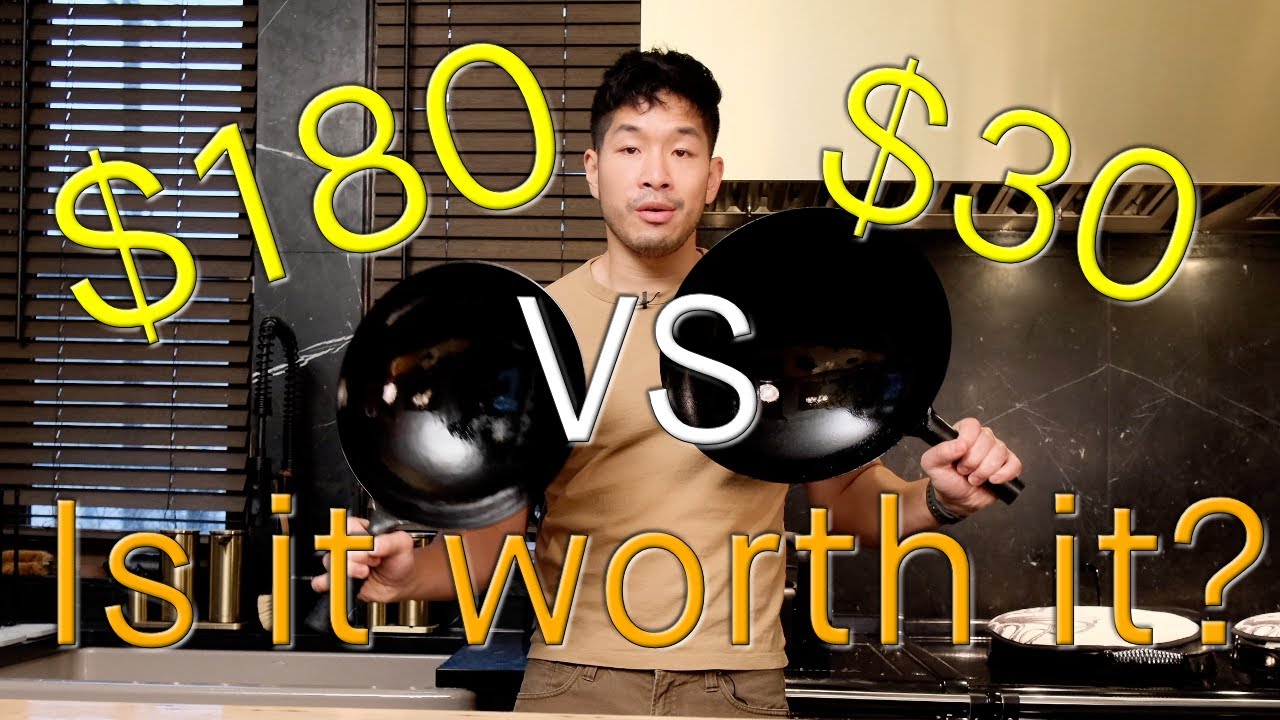
This heft isn’t just for demonstrate. Cast iron excels at warm retention. Once scorching, it stays warm, making it most well known for dishes that need secure temperatures over longer intervals. Braising red meat stomach or gradual-cooking red-cooked red meat? Cast iron keeps matters lightly simmering devoid of wild temperature swings.
But the following’s in which things get nuanced: average Chinese cast iron woks are usually thinner than Western-sort cast iron pans. They may also be as gentle as three to 5 kilos (1.four to 2.3 kg), when compared to Western ones that every so often leading 10 kilos (four.5 kg). The distinction in thickness method Asian forged iron woks warm up faster yet don’t keep directly to heat rather as stubbornly.
That noted, so much forged iron woks offered backyard Asia tend towards the thicker aspect - believe lifting a spherical-bottomed tank onto your burner.
Real-World Cooking with Cast Iron
I take note my first test at driving a thick cast iron wok for pad thai. The noodles clung to the surface unless I realized I hadn’t preheated it nearly lengthy adequate. With forged iron, staying power will pay off; give it time and the cooking floor transforms into whatever thing corresponding to nonstick using seasoning.
However, even seasoned cast iron can battle with fast excessive-warm maneuvers like tossing dissimilar small batches of nutrition in swift succession - a cornerstone of unique stir-fry process known as “wok hei.” Because solid iron holds warmness so smartly, temperature recovery after adding cold ingredients will likely be gradual for those who’re no longer cautious.
Cleaning is simple whenever you hinder cleaning soap and water after each use, opting alternatively for a wipe-down and occasional reseasoning with oil.
Carbon Steel: The Workhorse
Walk into so much Chinese eating places and peek into their kitchens (whenever you’re fortunate adequate to get a glimpse). Almost every chef could be wielding a carbon steel wok over roaring flames. There’s great cause for this near-widely used desire.
Carbon metallic is pale - oftentimes half the weight of comparable forged iron. This allows chefs to deftly toss parts with one hand whilst manipulating the spatula with the alternative. In a hectic provider in which seconds rely and dozens of dishes fly from stove to table, this agility is worthwhile.
Carbon metal heats up super speedy and cools down speedily, giving distinct manage over cooking temperature. For flash-frying or chasing that smoky “breath of the wok” flavor (wok hei), not anything fits carbon metal’s responsiveness.
Daily Use Insights
After years of day after day use, my fashionable carbon steel wok resembles an historic leather wallet: darkened by means of https://cristiansvls287.lucialpiazzale.com/cast-iron-wok-vs-carbon-steel-which-is-best-for-your-kitchen-1 time, marked through reminiscences of enormous quantities of nutrients. The seasoning equipped up slowly - egg fried rice one week, seared tofu an additional - except its surface became beautifully slick.
That pronounced, carbon metallic demands care right through its infancy. It arrives silver-grey and prone to rust if uncared for even in short after washing. Early seasoning periods may also be problematic; nutrition sticks except you building up adequate polymerized oil layers for desirable nonstick efficiency.
Once matured regardless that, upkeep is understated: wash with warm water (not ever soak), dry at the moment over heat, and practice a whisper of oil sooner than storing.
Head-to-Head: Cooking Performance
Comparing forged iron woks to carbon metal isn’t about which is “more effective” in a few abstract sense but which greatest suits your procedure to house cooking.
Heat Retention vs Responsiveness
Cast iron wins for constant warmness retention. If you customarily get ready braises or stews that require regular simmering, solid iron acts like a buffer towards unexpected transformations in burner output or drafts.
In distinction, carbon metal shines once you would like immediately response to flame modifications or desire to cycle by numerous fast-cooked dishes to come back-to-again. The capacity to deliver a pan from chilly to searing scorching (and returned) inside of seconds presents carbon steel unequalled versatility for conventional stir-fry techniques.
Achieving Wok Hei
Wok hei - that elusive charred aroma chanced on best in appropriate restaurant stir-fries - is notoriously difficult to replicate at abode without high-output burners. However, carbon metallic makes it more conceivable due to the fact it may tolerate ultra top warmness and improve temperature without delay after nutrition hits the pan.
Cast iron can generate a few wok hei if used over a strong flame and preheated absolutely, yet its slower reaction makes it more durable to sustain excessive temperatures right through repeated tosses or when including cold additives.
Weight and Handling
Anyone who has attempted flipping a pound of vegetables although balancing a heavy pan is aware of that weight concerns more than you’d think. Traditional round-bottomed carbon metal woks rarely exceed three kilos (1.four kg), while Western cast iron fashions on the whole double or triple that parent.
For occasional house cooking on a stationary range, heft may not hassle you a good deal. But for those who need to mimic restaurant-flavor tossing or desire to maneuver easily among batches, carbon metal’s lighter weight turns into a actual merit.
Seasoning and Care
Both parts benefit from seasoning - necessarily building up layers of polymerized oil with the aid of repeated heating - which creates a typical nonstick floor and protects against rust.
Cast iron tends to continue seasoning greater stubbornly thanks to its porous floor however can grow “sticky spots” if no longer dried correctly after washing or if seasoning builds erratically.
Carbon metallic calls for more diligence in the beginning however rewards you with an ultra-slick patina if cared for properly. Rust can show up in a single day if left damp yet is definitely scrubbed away ahead of reseasoning if stuck early.
Practical Considerations for Home Kitchens
Most abode cooks don’t have business fuel burners pumping out a hundred,000 BTUs or greater - popular residential degrees customarily max out around 12,000 to 18,000 BTUs in step with burner. That shortfall can minimize a number of the dramatic searing imaginable in eating places but doesn’t make superb stir-frying impossible.
With that in brain, a number of real looking questions stand up while deciding on between cast iron and carbon steel:
Stove Compatibility
Flat-bottomed woks work most desirable on electric powered or induction stoves in view that around-bottomed types can battle with direct contact and steadiness. Both fabrics are %%!%%186b11c2-1/3-41b8-8c4a-6cb1e0dfb499%%!%% in flat- and spherical-backside versions yet stay in mind that carbon steel woks more often than not include thinner bases which respond temporarily even on modest burners.
Induction users needs to word that either constituents are induction-well matched presented the wok has contact with the cooktop floor.
Oven Use
Cast iron is nontoxic at any oven temperature you’re possible to come across at domicile. This makes it on hand for dishes that soar at the stovetop and finish lower than broiler warmth or in sluggish-roasting programs.
Many carbon steel woks can maintain oven warm as smartly but double-assess handles - wood or plastic parts can minimize oven safeguard.
Price and Availability
Decent carbon metal woks get started round $25 to $40 USD for professional brands including Joyce Chen or Helen Chen. High-conclusion types hardly exceed $70 until imported or artisan-made.
Cast iron woks fluctuate extra enormously: thinner Asian items in the main price among $30 and $60 even as heavy Western-variety variations (like the ones from Lodge or Staub) can frame of mind $one hundred or more because of introduced mass and branding.
Maintenance Realities
Neither materials welcomes dishwashers or lengthy soaking in water. Both profit from quick drying and easy oiling after cleansing. If rust seems to be - and finally it in all probability will - scrubbing lower back to bare metallic observed by reseasoning restores goal.
One small however proper difference: carbon metallic is quite greater forgiving in terms of unintended chipping or cracking. Cast iron can crack if dropped or subjected to dramatic thermal surprise (which includes rinsing a screaming-hot pan less than bloodless water).
Where Each Shines
The desirable choice isn’t usual yet relies upon on your cooking behavior and priorities.
If you love slow-simmered Asian stews or favor a pan that doubles as a serving vessel immediately from oven to table, cast iron brings rustic appeal besides performance.
For favourite quickly-and-hot stir-fries, tremendously over prime heat or while tossing nutrition energetically is a part of your trend, carbon metallic answers the call with speed and agility.

I’ve cooked on the two over years spent experimenting at homestead and working in industrial kitchens. Carbon metallic has regularly grow to be my every day driver using its responsiveness and ease of coping with, but my oldest forged iron wok nevertheless comes out whenever I make mapo tofu or slow-braised pork abdominal for domestic gatherings.
How Seasoning Develops Over Time
Both elements build up their nonstick houses by seasoning - no longer thru manufactured coatings but through heating oil until it polymerizes onto the pan surface.
Early on, equally can suppose sticky or patchy even after a few uses (specifically carbon metallic). Perseverance things the following; after ten or fifteen uses with genuine cleansing and oiling routines, the patina will become evident. Fried eggs slide around readily and aromatics like ginger or garlic sizzle without clinging stubbornly.

A family member once defined his carbon metallic wok’s seasoning as “a residing issue.” He wasn’t fallacious - it evolves with each and every meal cooked.
Common Pitfalls and How to Avoid Them
Choosing between cast iron and carbon steel isn’t all about technical specifications; authentic-existence quirks depend simply as tons.
One rookie mistake is underheating either classification prior to adding oil or constituents. A nicely preheated wok creates an wireless sear rather than absorbing moisture from food (which results in sticking).
Another not unusual mistakes entails cleansing habits: soaking overnight or air-drying ends up in rust without reference to material. Always dry effectively over warmness and observe a skinny layer of oil earlier than striking away.
Finally, don’t assume prompt perfection from new pans. Both models want a few breaking-in beforehand they reach their potential.
Quick Comparison Table
| Feature | Cast Iron Wok | Carbon Steel Wok | |---------------------------|----------------------------------------|-----------------------------------| | Weight | Heavy (frequently 5-10 lbs) | Light (2-4 lbs widely used) | | Heat Retention | Excellent | Moderate | | Heat Responsiveness | Slow | Fast | | Seasoning Required | Yes | Yes | | Nonstick Potential | High after seasoning | Very top after seasoning | | Rust Risk | Moderate | High if overlooked | | Common Uses | Braises, stews, sluggish stir-fries | Quick stir-fries, flash searing | | Price Range | $30-$a hundred+ | $25-$70 |
When Each Material Makes Sense
Here is a pragmatic record that could assist clarify which wok suits your desires:
You cost lightweight agility for tossing food or have wrist/arm energy issues - elect carbon metallic. You plan on slow-cooking stews or would like awesome oven-to-desk versatility - lean in the direction of forged iron. Your stovetop has modest output (electrical or induction) - flat-bottomed carbon metal provides rapid heating. You favor an heirloom piece that improves over a long time - equally qualify but forged iron holds up effectively against unintentional dings. You savour ritual care and seasoning upkeep - either will praise your consciousness yet carbon steel desires greater TLC early on.Final Thoughts: Which Should You Buy?
There’s not anyone-dimension-suits-all resolution to the forged iron wok vs carbon steel debate simply because every single brings entertaining benefits to your kitchen arsenal.
If you cook in the main brief stir-fries a number of instances every week and need something light ample to toss unmarried-handedly even if loaded with food, carbon metallic wins out virtually anytime.
If you envision hearty braises or prefer a pan that holds heat as a result of thick and thin (and doubles as conversation-beginning serveware), forged iron provides unmatched presence along functionality.
For many chefs, proudly owning each finally ends up being the healthy end result - one for weekday speed and a further for weekend feasts that start off at the stovetop and linger at the table.
The bottom line? Let your cooking conduct lead the approach in place of chasing what’s “ultimate” through acceptance on my own. Whether you succeed in for carbon metallic or forged iron subsequent time you fan the flames of the burner, you’ll be joining generations of chefs who observed pleasure in basic tools perfected by means of use and care.